
You eat clean, you train hard, and the scale still will not move. The problem might not be your diet or your workout. It might be what you do in the four hours before bed.
Why sleep matters for fat loss

In a well-known 2004 study, healthy people slept only four hours for two nights. Their leptin, the "I am full" hormone, dropped by about 18%, and their ghrelin, the hunger hormone, rose by about 28%. In another study, two groups ate the same diet, one sleeping 8.5 hours and the other 5.5 hours. The short sleepers lost about 55% less fat, and more of their weight loss came from muscle. Same food, same plan, only sleep was different.
4. Caffeine after lunch
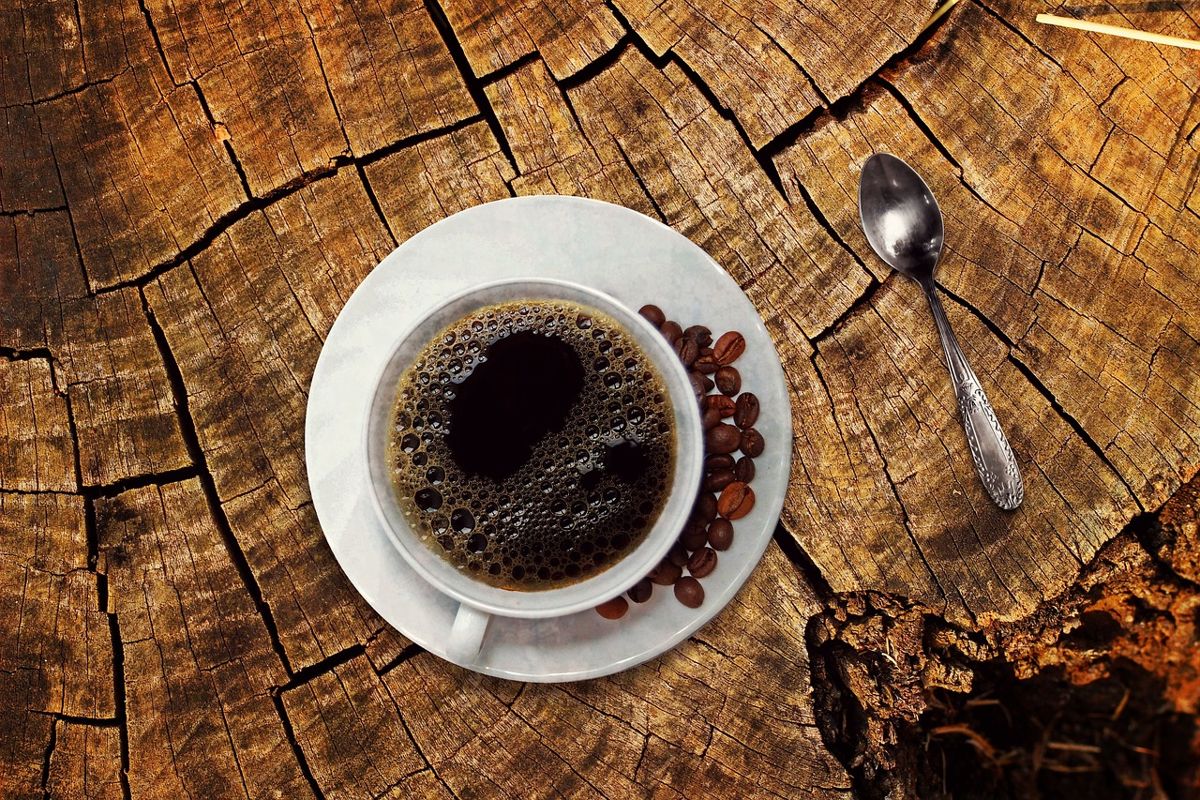
Caffeine stays active for hours. One study found caffeine taken even six hours before bed cut sleep by more than an hour. You may fall asleep fine, but your deep sleep takes the hit. Have your last cup at least eight hours before bed. If you sleep at 11, that is 3 p.m. Colas, fizzy drinks and energy drinks contain caffeine too, including the diet versions, and green tea has a little. Switch to lime water or warm water later in the day.
3. A warm, bright room
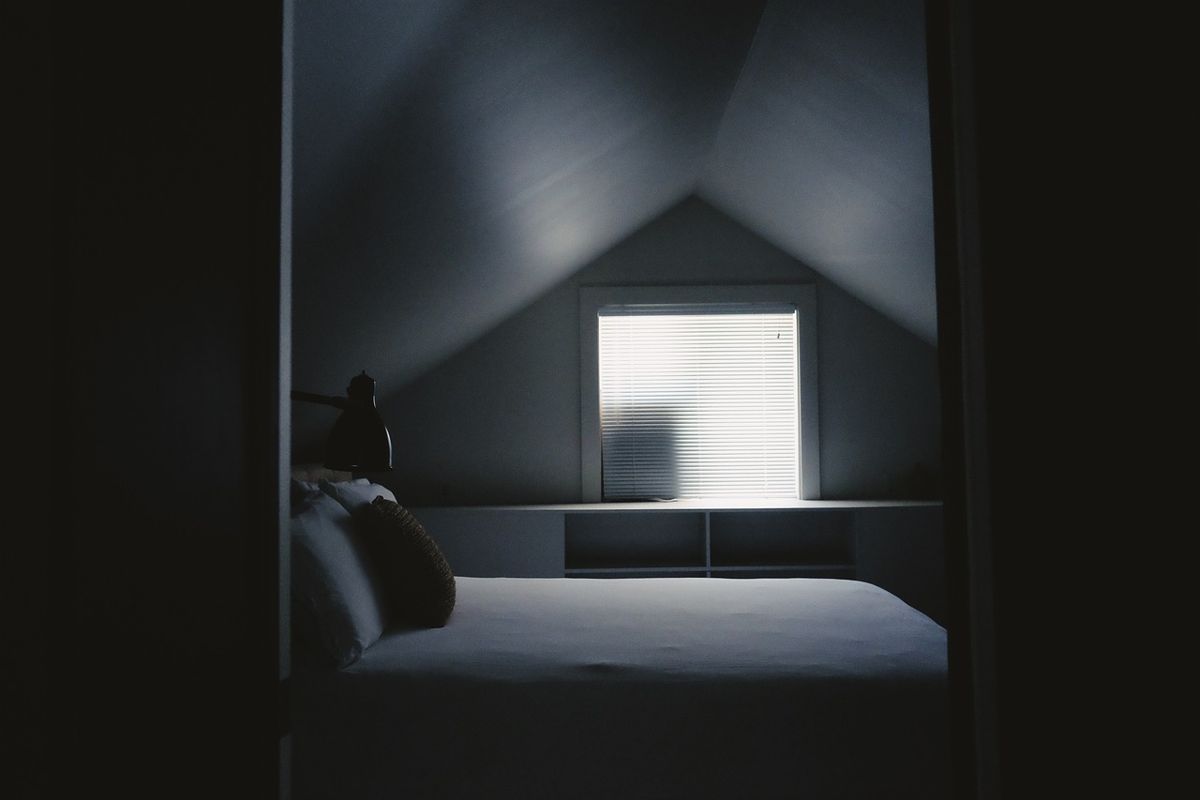
To fall asleep, your core temperature has to drop, and a hot room fights that. Most sleep research points to a cool room, around 18 to 20 degrees Celsius if you can manage it. Light matters just as much: a dim lamp or a phone screen can hold back melatonin, your sleep hormone. For the last hour before bed, keep screens away, dim the lights and make the room as dark as you can, or use a sleep mask. If you cannot avoid screens, use night mode. Blue-light filter glasses may help a little, but the evidence is mixed, so treat them as plan B.
2. An irregular bedtime
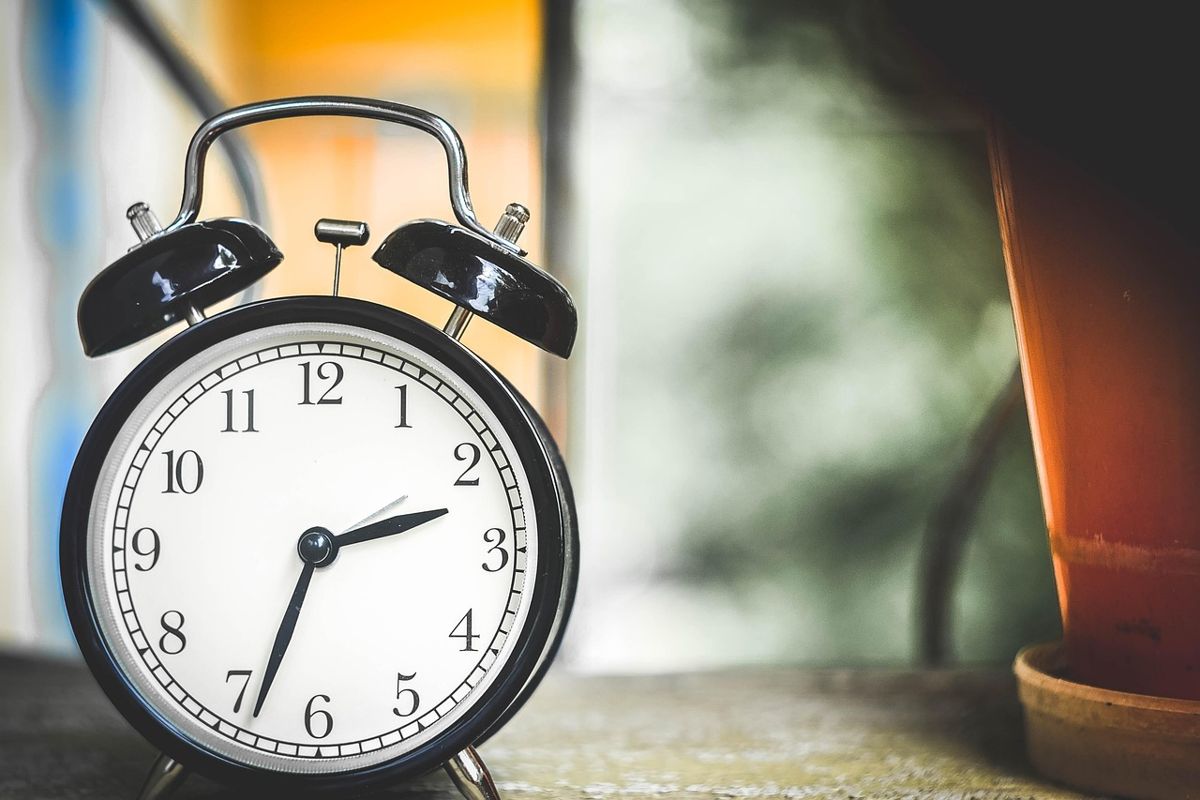
Ten on Monday, one in the morning on Friday, noon on Sunday: your body clock dislikes this. Researchers call it social jet lag. Studies link irregular sleep schedules with higher body weight and worse blood sugar control, even when total hours look the same. Pick a wake-up time and keep it within about an hour every day. The bedtime follows.
1. A big, late dinner

When dinner is a huge meal at 10 p.m., your body is busy digesting, blood sugar and body temperature stay up, and sleep gets lighter. Poor sleep makes you hungrier tomorrow and the loop continues. Finish dinner three to four hours before bed. Eating earlier in the evening works better for blood sugar, hunger and sleep. If work ends late, make dinner lighter, not larger, and move your bigger meal to lunch. Use the order from my food order article, and a short slow walk after dinner helps too.
A bonus tip
Magnesium helps muscles and nerves relax, and some studies link it with better sleep quality. The research is modest, but I take a magnesium supplement in the evening and my sleep has improved. I explain how to choose one in my magnesium article.
Pick one
You do not need all four tonight. Pick one, try it for a week, and watch your hunger and your mornings change.