I work a full-time corporate job and I stay lean. It is not a secret diet and it is not genetics. It is five small habits. Motivation is gone by Wednesday, sometimes by Tuesday lunch, so I use a system.
Habit 5: prepare tomorrow, tonight
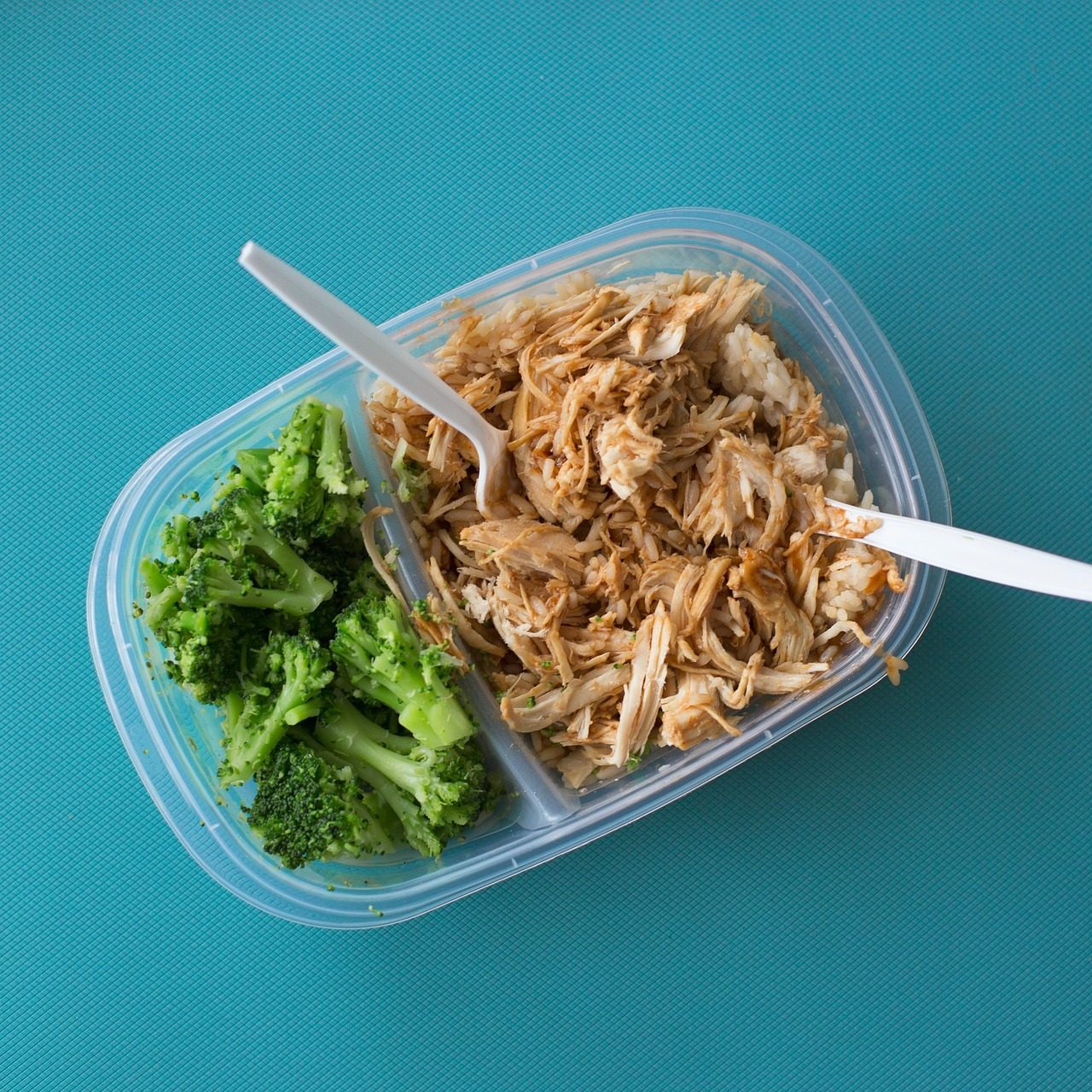
Two things: food and your workout. Five minutes before bed, portion your meals, cook your protein and pack your lunch. At one in the afternoon with a deadline and an empty stomach, you choose with hunger, not logic. A packed lunch box beats willpower every time. Then set out your clothes, shoes and water bottle next to the bed. I start every day with a walk outside, which I explain in my fasted morning walk article.
Habit 4: a fixed gym slot

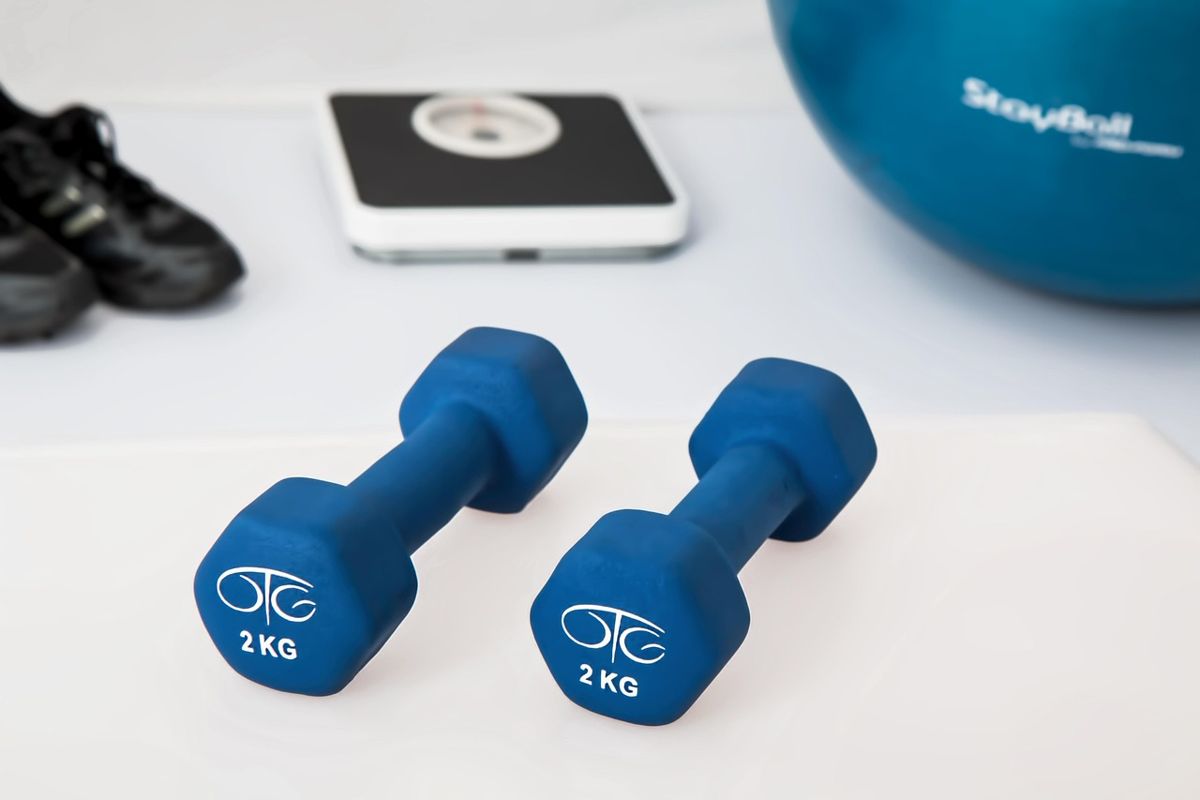
Mine is 7 to 9 in the morning, right after my walk and before the office day starts. Same time, no negotiation, at least five days a week. It is a meeting I cannot move. A study from University College London found new habits took about 66 days on average to form, and anywhere from 18 to 254 days. So the first two months are the hardest, and a fixed time means you stop deciding every morning.
Habit 3: a set workday eating plan

Decide your workday eating before the day starts: two real meals and one planned snack. Lean protein such as chicken, fish or eggs, with plenty of vegetables. Warm water, lime water or green tea to drink, and no sugary drinks. The rule is simple: if it is not in the plan, it does not get eaten.
Habit 2: track the week, not the day

Body weight can swing one or two kilos in a day from water, salt and food in your gut. If you panic at every daily number, you will quit on a good week. Weigh at the same time under the same conditions and look at the weekly average. Add your waist, a photo and what you lift. Reviews of weight-loss studies keep finding that people who consistently monitor themselves do better.
Habit 1: the two-minute night plan
Every night I write three lines: what I will eat, when I will train, and when I will stop. For example: "7 a.m., I am in the gym. 1 p.m., I eat the packed lunch." Psychologists call these if-then plans. A large review of 94 studies found that people who write down exactly when and where they will act are far more likely to follow through. Two minutes, no app, no willpower. It ties the other four habits together.
One last thing
Give yourself the chance to get into the best shape you can, whatever your goal is. Then stand in front of the mirror and look at yourself. That day is not your finish line. It is your starting point.
Sources
- Lally et al., European Journal of Social Psychology, 2010 (habit formation).
- Gollwitzer and Sheeran, 2006 (implementation intentions, 94 studies).
- Burke et al., Journal of the American Dietetic Association, 2011 (self-monitoring).