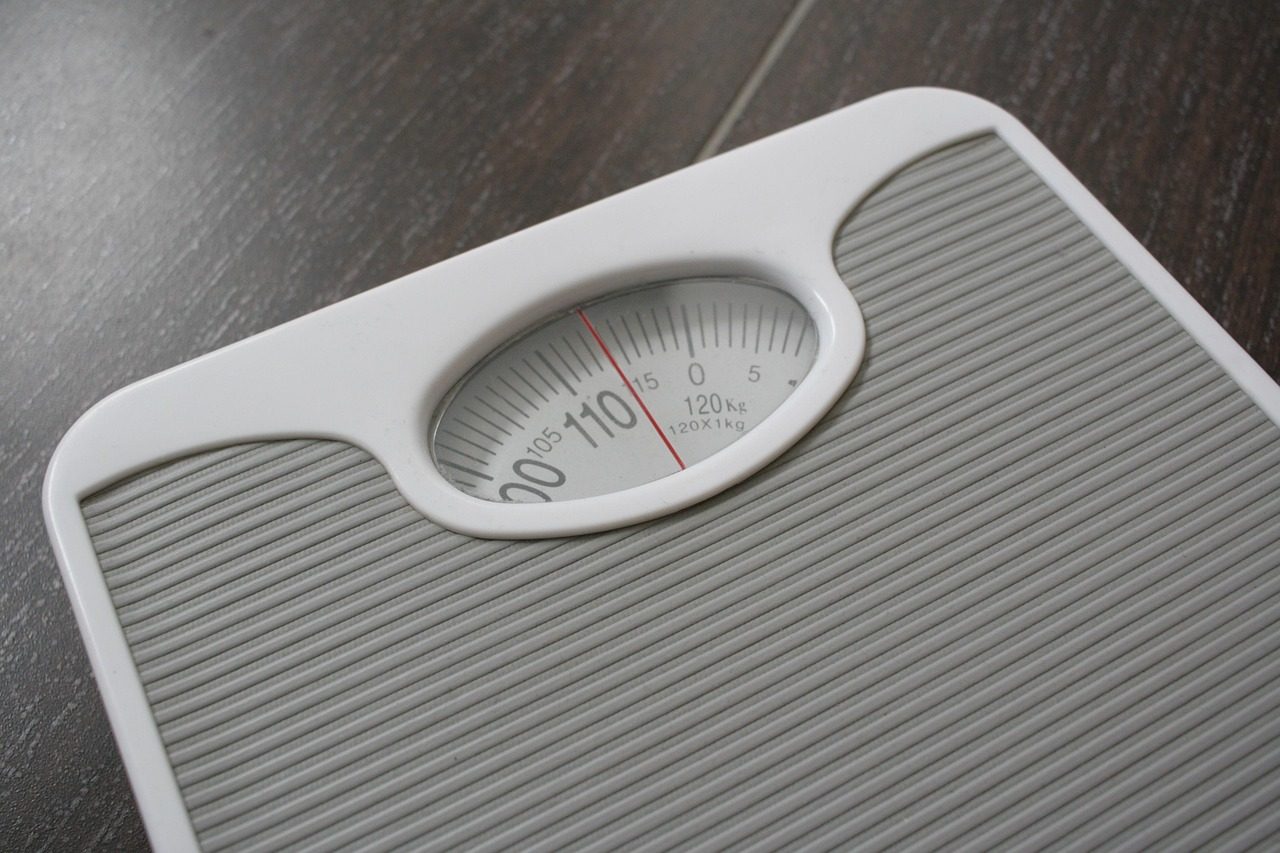
You are eating less and training hard. The first few kilos came off easily, and then around week four the scale stopped. You are not lazy and your body is not broken. It is doing what it was built to do: protect you from starving. Once you understand how, you can get fat loss moving again.
First, is it a real plateau?
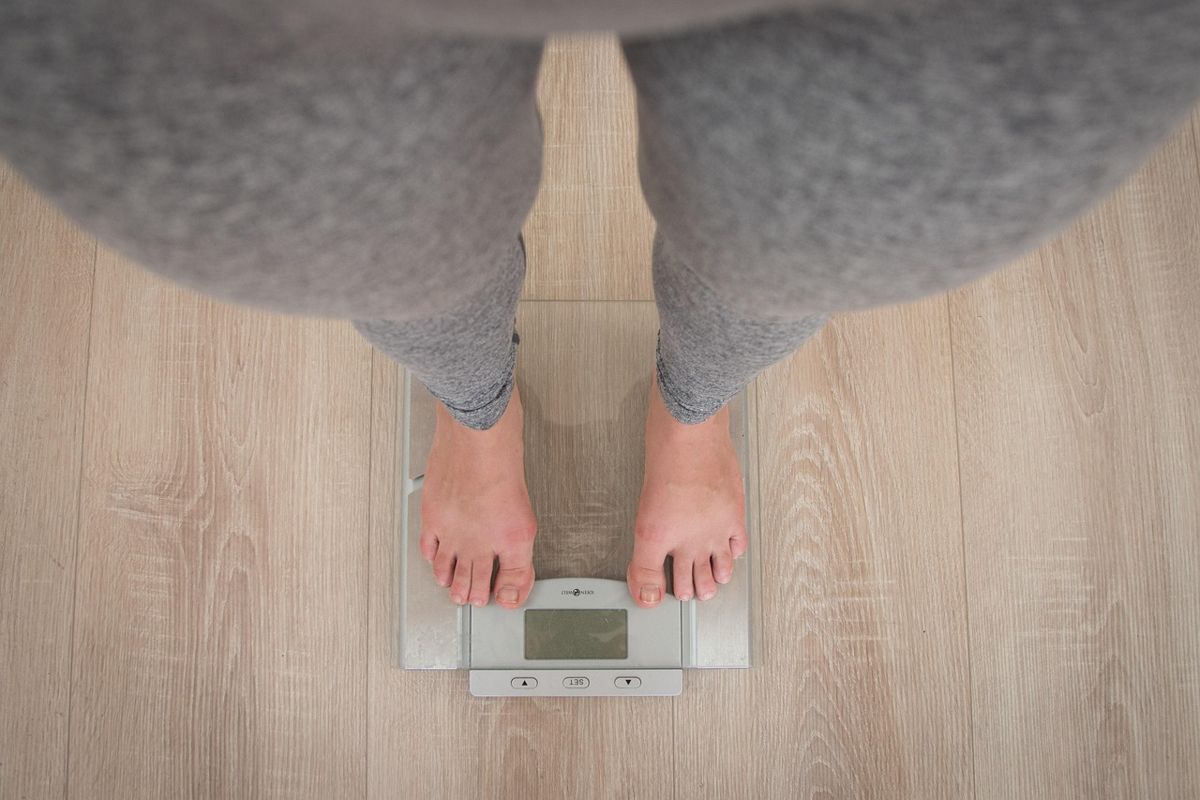
Your weight on any single morning is mostly noise. A salty dinner, a late meal, a heavy leg day or a bad night's sleep can hold one to two kilos of water and hide a week of real fat loss. My rule: weigh yourself in the morning after the bathroom and before eating, look at the weekly average, and measure your waist once a week. If both have not moved for three weeks or more, it is a real plateau. Anything shorter is usually water.
Why your body slows fat loss down

1. A smaller body burns less
When you were heavier, your body needed more energy to carry that weight. Lose eight or ten kilos and it needs fewer calories. The meal plan that gave you a deficit in week one can be close to maintenance by week eight.
2. Your body turns down the thermostat
Researchers at Columbia University found that after people lost about 10% of their body weight, they burned fewer calories than their new size alone could explain, roughly 10 to 15% less. This is called adaptive thermogenesis, an energy-saving mode. It is not a broken metabolism.
3. You move less without noticing
In a deficit, your body quietly cuts small movement like fidgeting, standing, pacing on calls and taking stairs. This is called NEAT, the energy you burn outside workouts. A large part of the slowdown in those studies came from daily movement, not resting metabolism.
4. Your hunger gets louder
After fat loss, the fullness hormone leptin drops and the hunger hormone ghrelin rises. A study in the New England Journal of Medicine found these signals were still altered a year after people finished dieting. Portions creep up. In another well-known study, people who said they could not lose weight were eating about 47% more than they reported, and overestimated their exercise by about half. Not because they lied, but because all of us are bad at guessing.
How to restart fat loss

- Take a planned diet break. In an Australian study called MATADOR, men who dieted in two-week blocks with two weeks at maintenance in between lost about 50% more fat than men who dieted continuously, and kept more of it off six months later. It was a small study in men with obesity, but it matches what many coaches see. After two to three months of hard dieting, try one to two weeks at maintenance. Normal balanced meals, not a binge.
- Recalculate your deficit. You are a smaller person now. Track your portions honestly for a week. Most plateaus hide in oil, sauces and snacks.
- Protect your muscle. Lift weights four or more days a week and keep the weights challenging. Dieting without lifting costs muscle, which lowers the thermostat further.
- Bring daily movement back. Stand up every hour, take the stairs, walk on calls, and walk a few minutes after each meal.
Habits that help
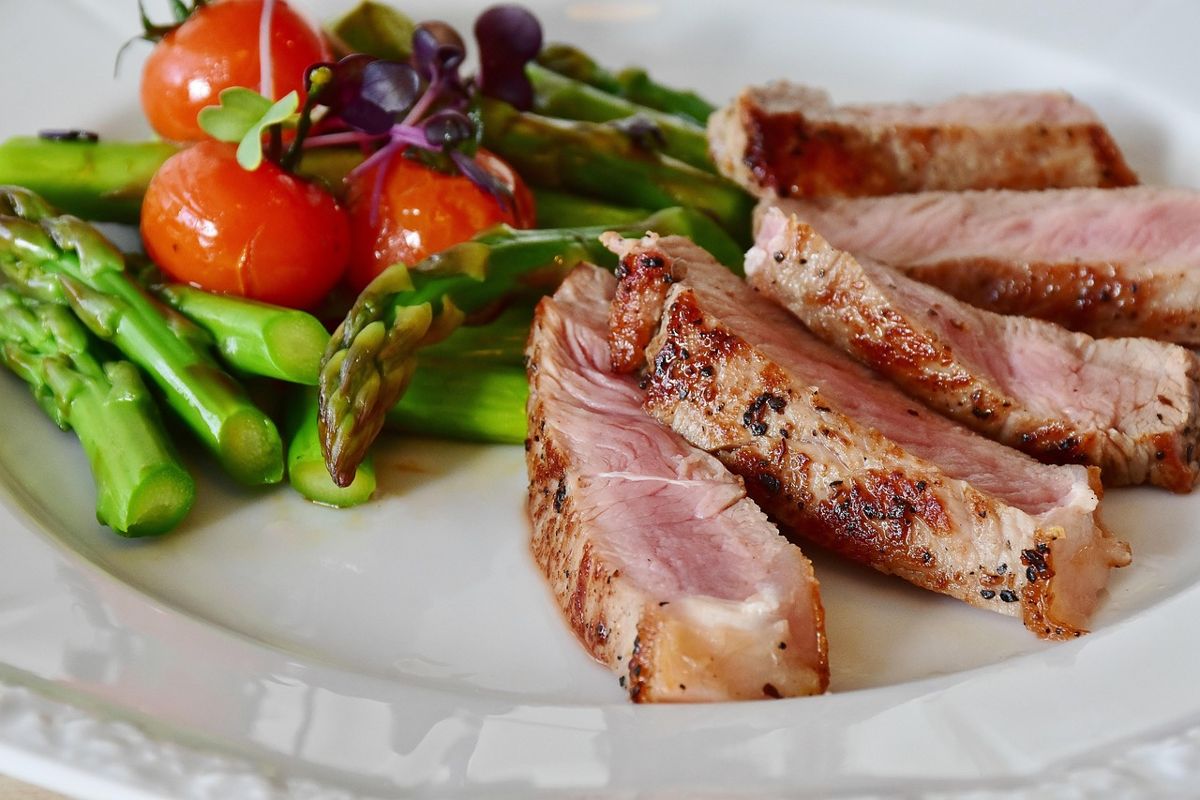
- Build meals around protein and vegetables, so the louder hunger is easier to handle.
- Guard your sleep, with a regular bedtime.
- Eat dinner early, three to four hours before bed.
- Keep added sugar out of tea, biscuits and packaged snacks.
A plateau is not a stop sign. It is your body saying it has adapted, so show it something new.
Sources
- Rosenbaum and Leibel, International Journal of Obesity, 2010.
- Sumithran et al., New England Journal of Medicine, 2011.
- Lichtman et al., New England Journal of Medicine, 1992.
- Byrne et al., International Journal of Obesity, 2018 (MATADOR).
- Levine et al., Science, 1999 (NEAT).