
If you lift weights, there is one supplement that the research keeps backing, and it is also cheap. It is creatine. Here is what it does, what the myths get wrong, and a simple way to take it.
What creatine does

Your muscles use a quick energy store during hard sets. Creatine helps refill that store. In practice, that can mean one or two extra reps on a set. Over months, those extra reps add up to more training volume, and more training volume is one of the main drivers of muscle gain.
Your body makes some creatine itself, and you also get small amounts from foods such as chicken and fish. A supplement raises the amount stored in your muscles beyond what normal food usually gives.
What the research found
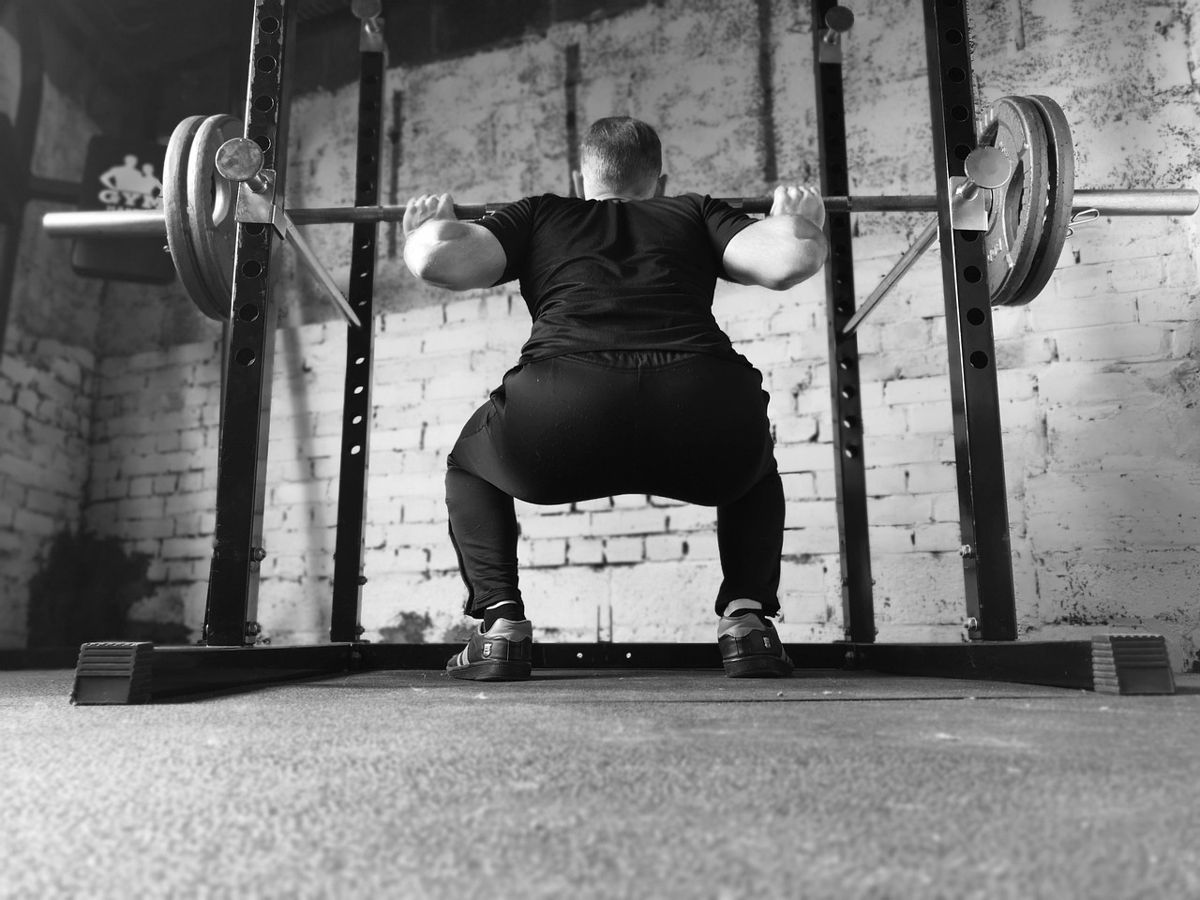
A 2017 meta-analysis pooled 22 studies with 721 adults, mostly middle-aged and older. People who lifted weights and took creatine gained about 1.4 kg more lean mass than people who lifted alone, and they improved strength on exercises such as chest press and leg press. Position statements from sports nutrition bodies describe creatine monohydrate as one of the most effective and best-studied supplements for training.
Myths, answered

- "It is a steroid." No. It is a compound your body already makes, and it is found in everyday foods.
- "It is only water weight." Creatine does draw water into the muscle cell, which is where you want it. That is not the same as puffiness under the skin.
- "It harms the kidneys." Studies in healthy people at normal doses have not found kidney harm. If you have a kidney condition, ask your doctor first.
- "It is only for men." Research in women shows similar strength benefits, including around and after menopause.
- "It causes hair loss." This link has not been proven.
How to take it

- Choose plain creatine monohydrate. It is the form with the most research behind it. Nothing fancy is needed.
- Take 3 to 5 grams a day, including rest days. Daily consistency matters more than timing.
- Take it any time, mixed into water, a juice or your protein shake. A loading phase is not required.
- Be patient. It takes a few weeks of daily use for your muscles to fill up.
- Drink water through the day, as you should anyway.
Do you need to lift for it to help?
It works best alongside resistance training, ideally several days a week. Some research also suggests benefits for memory and mental focus, especially in older adults, because the brain uses creatine for energy too. That evidence is smaller, so treat it as a possible extra, not the main reason to take it.
Sources
- Chilibeck et al., Open Access Journal of Sports Medicine, 2017: creatine and resistance training in older adults, meta-analysis.
- Kreider et al., Journal of the International Society of Sports Nutrition, 2017: position stand on creatine.
- Antonio et al., Journal of the International Society of Sports Nutrition, 2021: common questions and misconceptions about creatine.
- Smith-Ryan et al., Nutrients, 2021: creatine in women's health.
- Avgerinos et al., Experimental Gerontology, 2018: creatine and cognition.