You go to the gym regularly and train hard, yet your body looks the same as it did months ago. If your workout has not changed in weeks, that is often the reason. Your body adapts to what you ask of it, and then it stops changing.
What progressive overload means
Progressive overload means asking a little more of your muscles over time. Muscles grow and get stronger in response to a challenge. When the challenge stays the same, the body has no reason to change further. Guidelines from the American College of Sports Medicine on resistance training describe gradual progression as a core principle for continued gains.
Way 1: add one rep
This is the easiest place to start. Last week you did 10 reps, so aim for 11 this week. Keep the weight the same and keep your form clean. When you can reach the top of your rep range on every set, you are ready for the next step.
Way 2: add a little weight
Once the reps feel easy, increase the weight by a small amount, such as 1 to 2.5 kg. Do not jump too far, because the reps should still be doable with good form. A 2022 study that compared adding reps with adding weight found that both approaches led to muscle growth over several weeks, while adding weight gave larger strength gains. In practice, using both works well.
Way 3: write it down
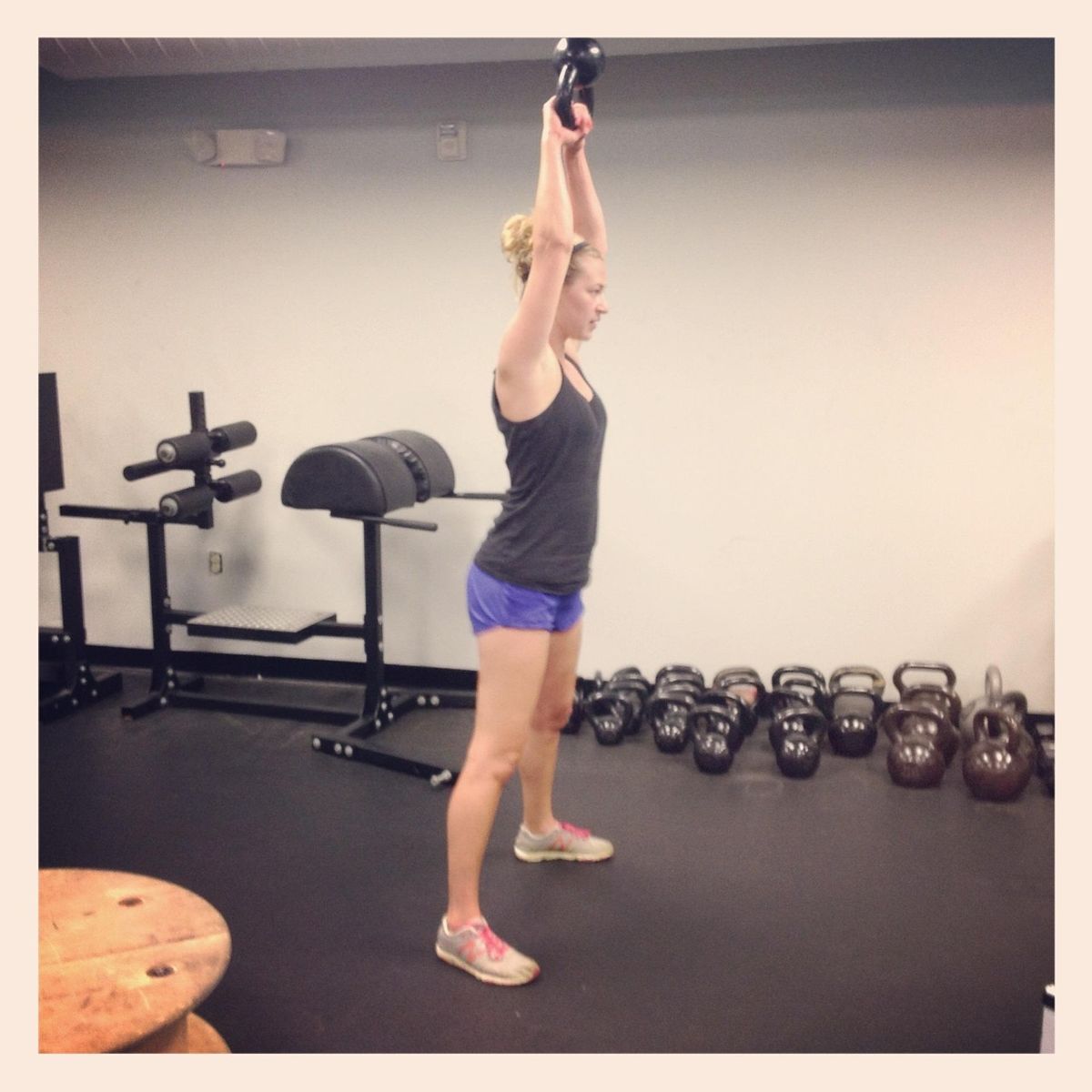
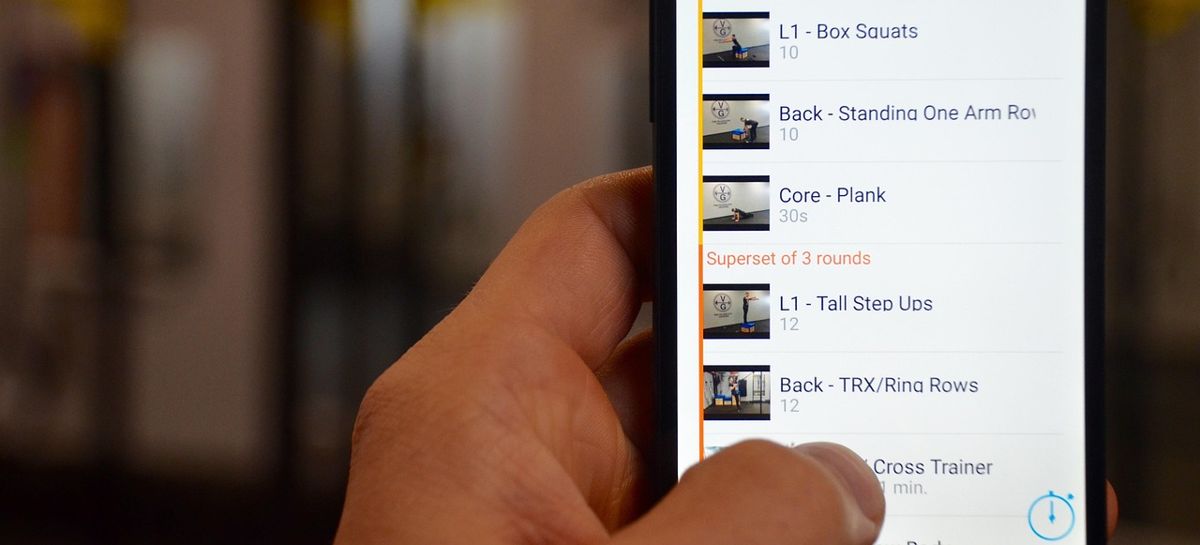
This one makes the other two work. Memory is unreliable, and most people think they lifted more than they did. A simple note on your phone with the exercise, weight and reps lets you beat last time with confidence. If you cannot see last week's numbers, you cannot beat them.
Common mistakes
- Lifting the same dumbbells for months. If every set feels easy, it is time to progress.
- Adding weight with poor form. A shaky rep builds little and risks injury. Progress only when the last rep is still controlled.
- Changing the workout every week. You need enough repeats of an exercise to see numbers go up.
- Ignoring recovery. Sleep and enough protein are what turn training into progress.
A simple way to start this week
Pick your main lifts. Write down today's weight and reps. Next session, aim to beat one number by a single rep. Do this on every session and you are using progressive overload.
Sources
- American College of Sports Medicine, Medicine and Science in Sports and Exercise, 2009: progression models in resistance training for healthy adults.
- Plotkin et al., PeerJ, 2022: progressive overload with added reps versus added load.